
How Shifting from One-Off Projects to an Ongoing Design Partnership Gives Growing Practices a Competitive Edge
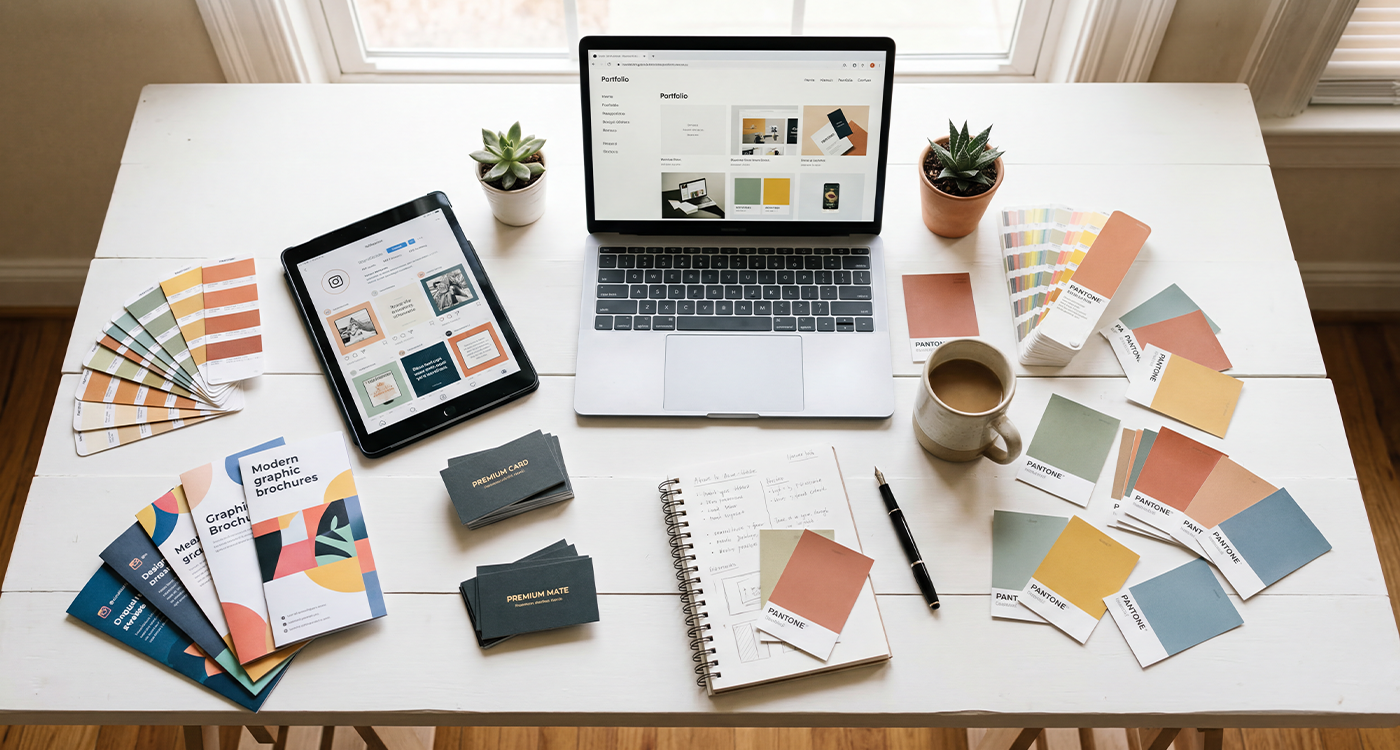
Every healthcare practice hits the same wall at some point. You have a flyer that needs designing. Social media content that should have gone out last week. A website page that needs updating. A presentation for an upcoming event. None of these are massive projects on their own, but together, they represent a constant, never-ending stream of design work that your practice needs to grow.
And most practices handle it the same way: project by project. Need a flyer? Find someone. Need social graphics? Find someone. Need a website update? Find someone. Each time, it is a separate search, a separate conversation, a separate onboarding process. Each time, you are starting from scratch.
The practices that are growing the fastest have figured out something different. They stopped treating design like a series of isolated tasks and started treating it like a relationship. They found a design partner who knows their brand, understands their goals, and can execute across everything without needing to be brought up to speed every time.
That shift, from project-based thinking to partnership-based thinking, is one of the most underrated growth moves a practice can make.
There is nothing inherently wrong with hiring someone for a single project. That is how most business relationships start. You have a need, you find someone talented, they deliver great work. The problem is not the first project. It is what happens on the fifth, tenth, and twentieth.
When every design need is treated as its own standalone project, a few things start to compound:
A design partnership is not just a retainer with a monthly invoice. It is a fundamentally different way of working. Instead of explaining your brand from scratch every time, you have a creative partner who already lives in your brand. They know your colors, your fonts, your voice, your audience, and your goals. They have context that compounds over time, making every deliverable faster, better, and more aligned.
For healthcare practices and service-based businesses, a design partnership typically covers the full range of ongoing creative needs:
Healthcare practices have a unique rhythm when it comes to design needs. It is not like an e-commerce brand that has a big product launch and then goes quiet. Practices need consistent, steady creative output: new patient campaigns, seasonal health awareness content, provider spotlights, community event materials, updated service information. The work is always there, but it rarely comes in neat, predictable project bundles.
A design partner who already understands your corner of healthcare brings value that goes beyond execution. They know the difference between a DPC practice and a multi-specialty group. They understand how patient privacy affects what you can and cannot show in marketing. They speak the visual language of trust that healthcare patients expect. That kind of context takes months to build, and losing it every time you switch to a new project relationship is a real cost, even if it never shows up on an invoice.
One of the biggest benefits of a design partnership that practice owners do not anticipate is creative direction. When someone knows your brand deeply and works with you consistently, they stop just taking orders and start thinking strategically. They notice when your messaging is drifting. They suggest content ideas based on what is working. They catch inconsistencies before they reach patients. They keep your visual presence evolving alongside your practice instead of stagnating between one-off projects.
Most practices cannot justify hiring a full-time Creative Director. But through a design partnership, you get that strategic layer built into how you work. Your design partner becomes someone who thinks about your brand every month, not just when you send a brief.
A design partnership is not the right fit for every practice at every stage. But it is likely the right move if:
The best design partnerships almost always start with a single project. A website. A brand refresh. A set of social media templates. That first engagement is where trust is built, where you see whether the designer understands your vision and can deliver at the level your practice deserves.
But the real value unlocks when that first project evolves into something ongoing. When your designer already knows your brand guidelines by heart. When they can turn around a social media set in a day because they are not starting from zero. When they proactively flag that your homepage still references a service you stopped offering six months ago.
That is the difference between hiring someone for a project and building a partnership. One gives you a deliverable. The other gives you momentum.
Research consistently shows that businesses with regular content output and cohesive branding generate significantly more leads than those operating in fits and starts. For healthcare practices, where patient trust is the fundamental currency of growth, that consistency is not optional. It is the foundation everything else is built on.
A design partnership turns creative work from a reactive bottleneck into a proactive growth engine. Your social media stays active and on-brand. Your website stays current and conversion-optimized. Your patient materials look polished and professional. And you get your time back to focus on what you do best: caring for your patients and running your practice.
Ready to turn design from a to-do list into a growth strategy? Contact us to learn about our ongoing design partnership model.
60+ Lead Generation Statistics You Can't Afford to Ignore in 2025 -- inBeat Agency (inbeat.agency/blog/lead-generation-statistics)
The Ultimate Blogging Playbook for 2025 -- Laire Digital (lairedigital.com/blog/the-ultimate-blogging-playbook)
Digital Marketing Agency Lead Generation 2025-2026 Guide -- Woodpecker (woodpecker.co/blog/digital-marketing-agency-lead-generation)
A 2026 Guide to Your Agency Content Strategy -- StoryChief (storychief.io/blog/agency-content-strategy)
HubSpot 2026 State of Marketing Report -- Referenced via Ten Speed (tenspeed.io/blog/best-content-marketing-agencies)

